Currently at Tatari. Previously Amazon, Alaska Airlines, Comcast.
11 years untangling big systems, then aligning every team around what users actually need.
How I work
I lead designers and help them take on bigger problems
At Tatari I organized my designers into dedicated cross-functional teams, and meet with them separately for current work and career growth. They now ship code and contribute new roadmap items. On Beam, every designer contributes components back to the design system I started.
I change the process when it’s in the way
Beam’s design system was locked inside one app’s code, so AI tools couldn’t read it. I pitched making it public and rewriting it with guidelines AI can follow, and AI accuracy went from 48% to 100%. Five products now build on it, and adoption grew organically.
I build the tool when the right one doesn’t exist
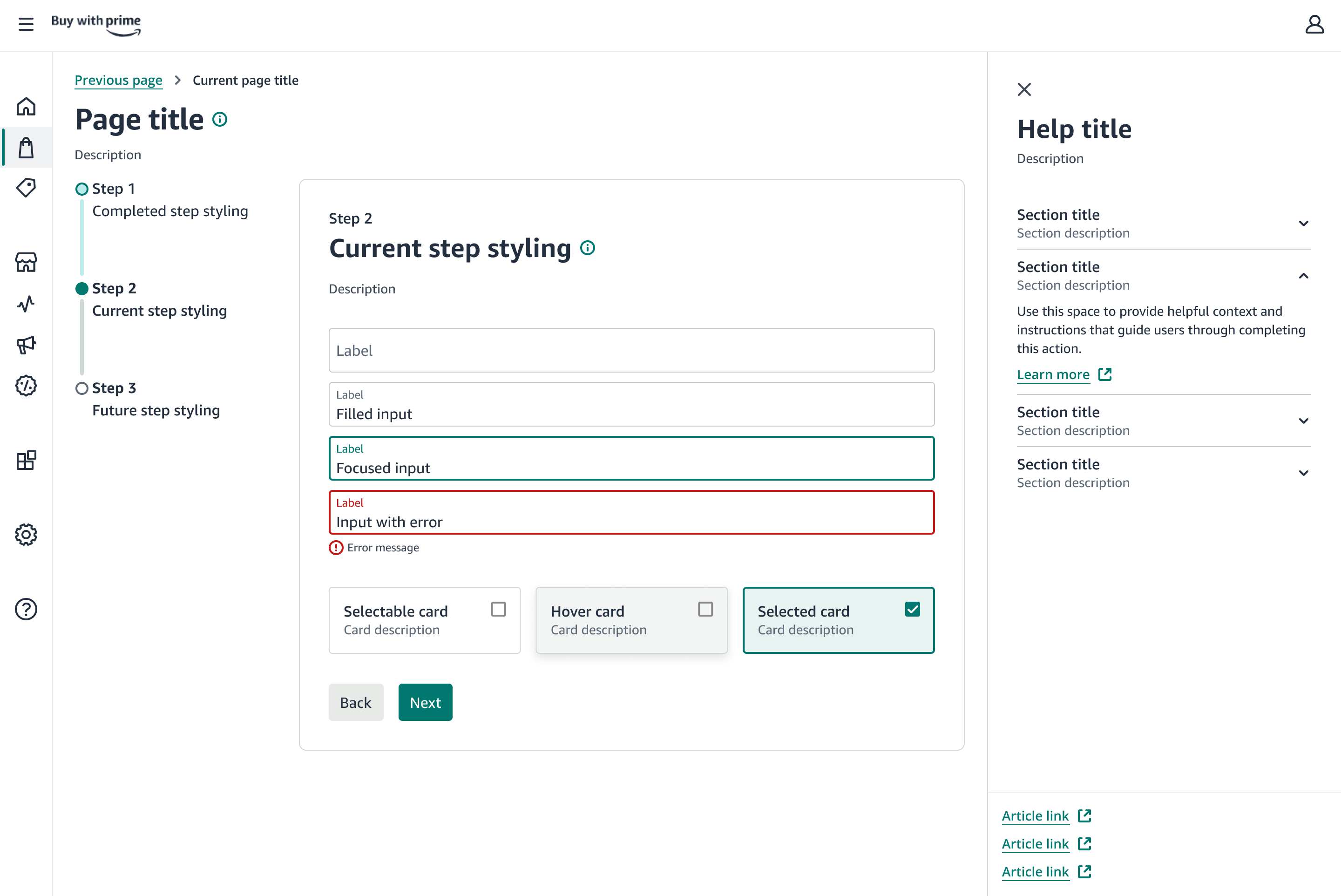
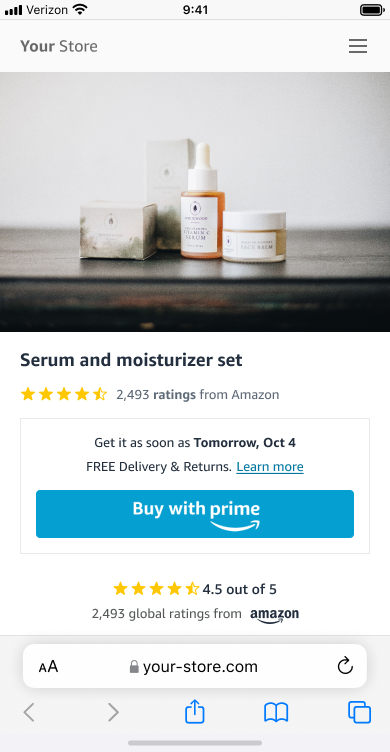
As the only design systems designer on a pre-launch Buy with Prime team, I decided what to build before the product was defined, and made 25 patterns for 8 product areas. UI development got 40% faster, and four years later the patterns are still in use.
I make bold ideas safe for the whole team to bet on
At Prime Gaming, users couldn’t follow Amazon’s publishing structure, so I proposed one guided flow, doubling games published per year. At Tatari, removing ad groups looked too risky until I de-risked it and proved it was worth breaking the ad tech mold.
- Tatari
Enabling marketers to buy TV without a media buyer, and expanding into a new market
8 weeks → 20 minutes Time to first launched campaign- Self-serve first New growth clients now start in the self-serve product
- 4x Increase in client capacity per buyer and CSM
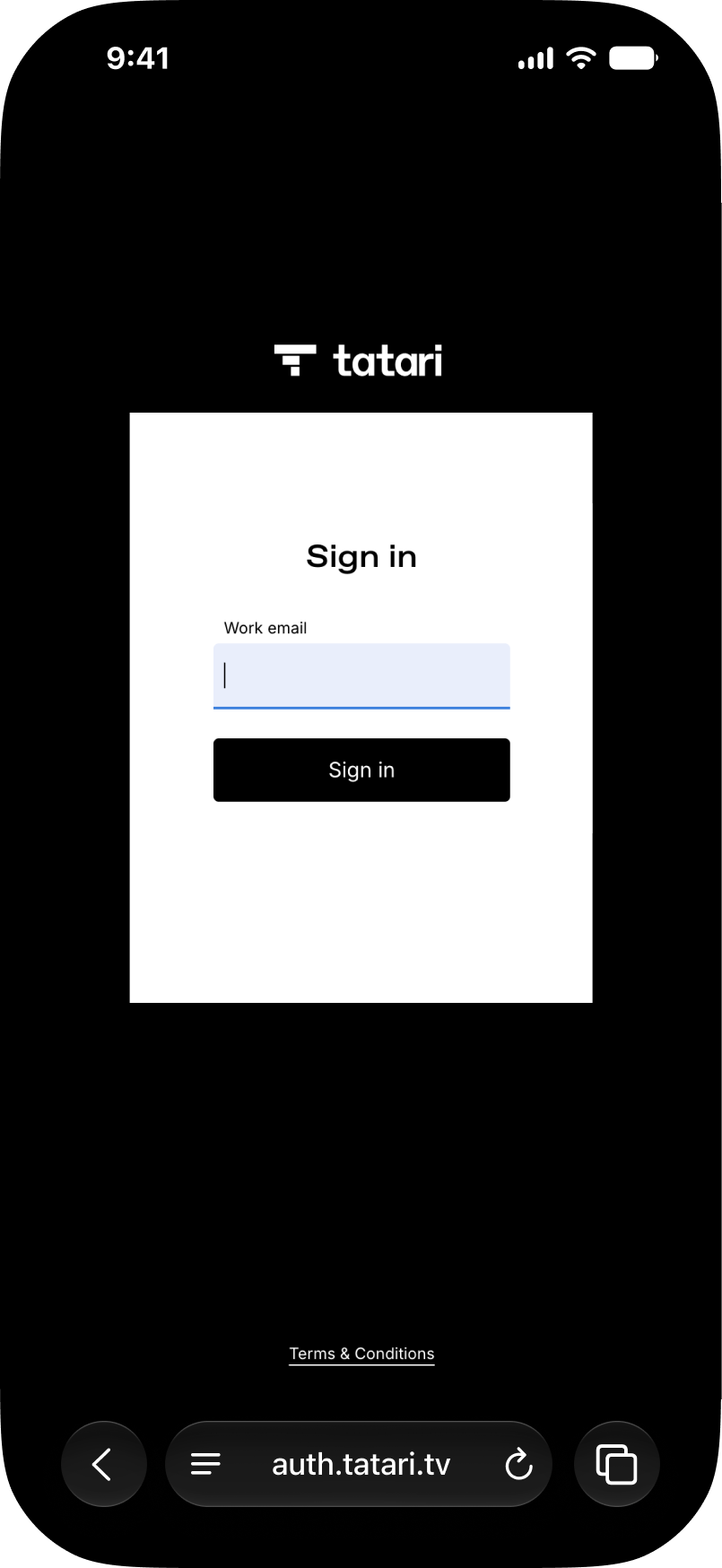
Tatari's growth depended on hiring more media buyers. I led design for the self-serve platform that replaced inventory-based buying with a model built around the goals and audience marketers already understood.
- Tatari Beam
One multi-brand design system for five products, built for engineers and AI
48% → 100% AI-generated component accuracy for design and code review- 5 products Using the system, with Upstream still adopting
- 3 themes One token architecture serving Tatari, Upstream, and Vault for Brands
Tatari's design system was buried in one app's repo, and AI tools couldn't read it. I rebuilt it as a public, multi-theme token system with guidelines written for agents.
- Amazon Buy with Prime
Establishing the themes, components, patterns, and guidelines for a new initiative
40% Faster UI development- 30+ designers, 100s of engineers In the organization supported by the system
- 25 Net new patterns and components across 8 product areas
As the only design systems designer on a pre-launch team, I decided what patterns to build, how teams would contribute, and how two audiences would share one visual language. Four years later, the patterns are still in use.
- Amazon Prime GamingNow part of Amazon Luna
Replacing three tools and a middleman with one Partner Portal
20% Reduction in time to create an offer- First self-serve publishing Free Games could be published by developers directly
- Fewer duplicate offers Due to a new lifecycle view
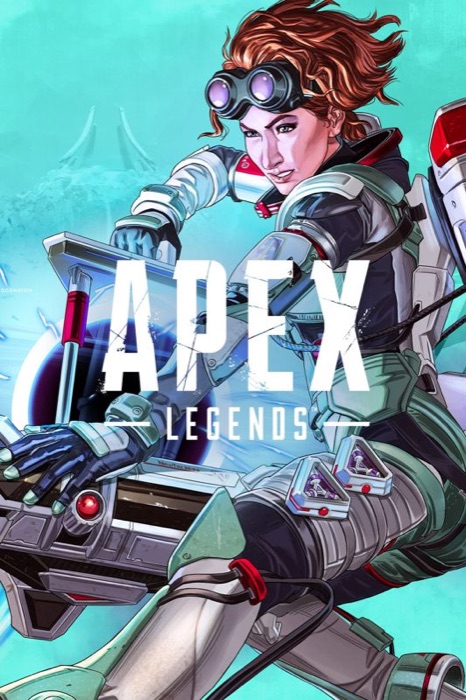
Game developers had to go through a person to publish anything, across three tools that had grown separately. I led research and design for the first Partner Portal, merging them into one product with self-serve publishing.






 Premera Blue Cross
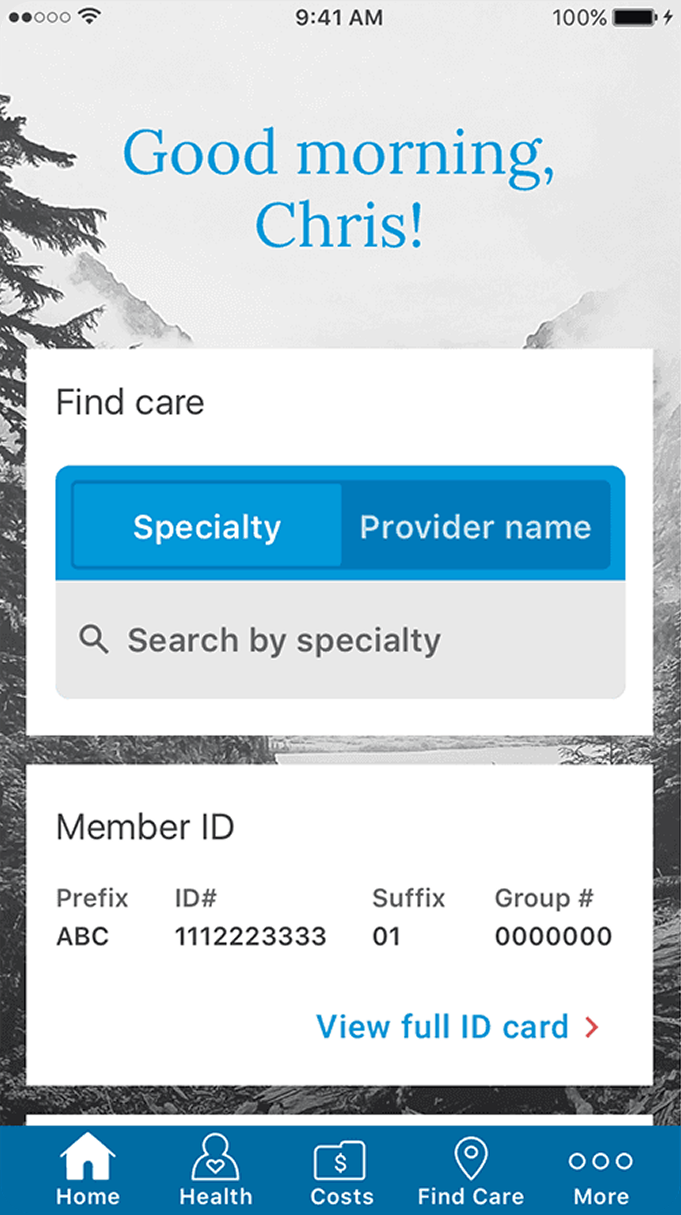
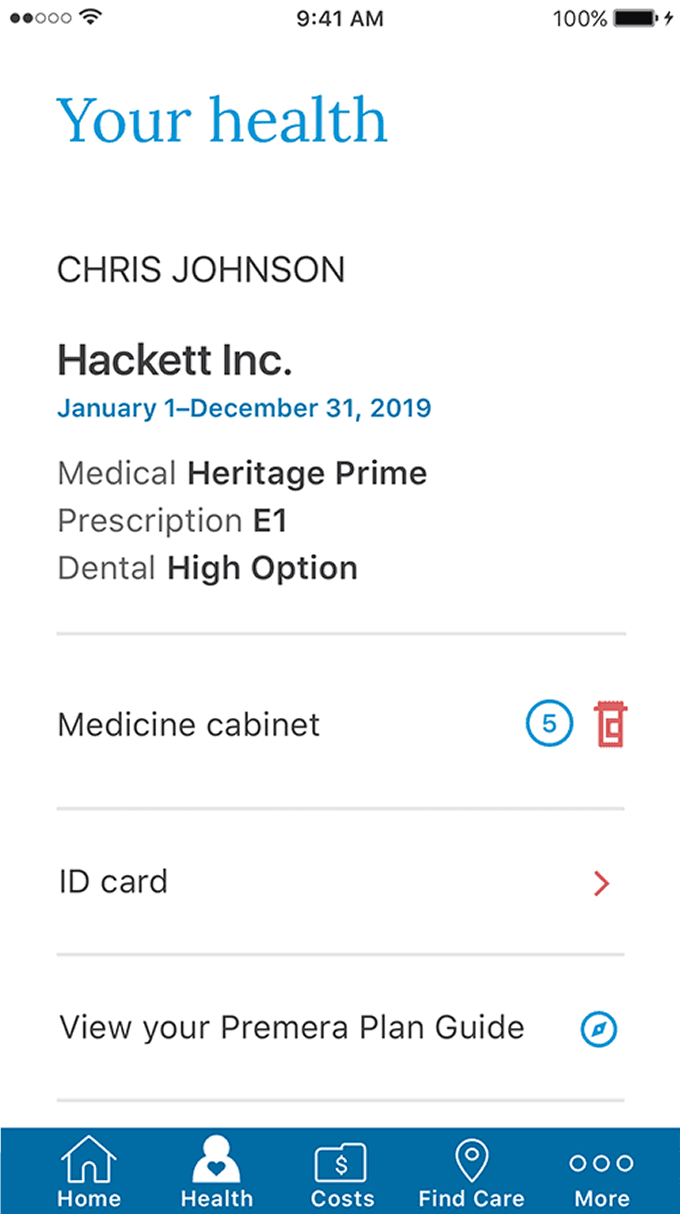
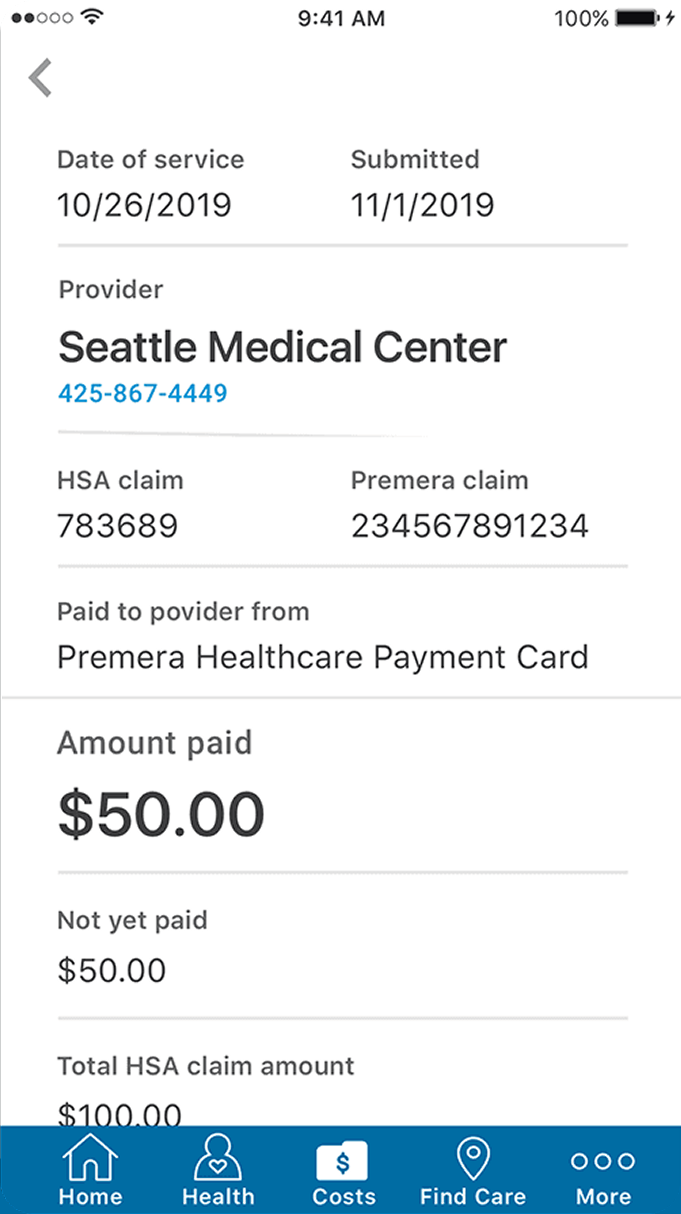
Getting PMs, developers, and designers to share one mobile design system, audited to WCAG 2.1 AA
25% Faster UI development- WCAG 2.1 AA Accessibility standards met
- Dedicated design systems designer Hired after I left
Premera's design practice and mobile team were growing faster than our processes were. I built a mobile design system to do three things: make our design elements consistent, fix communication between teams, and bring the apps up to accessibility standards.
 Comcast
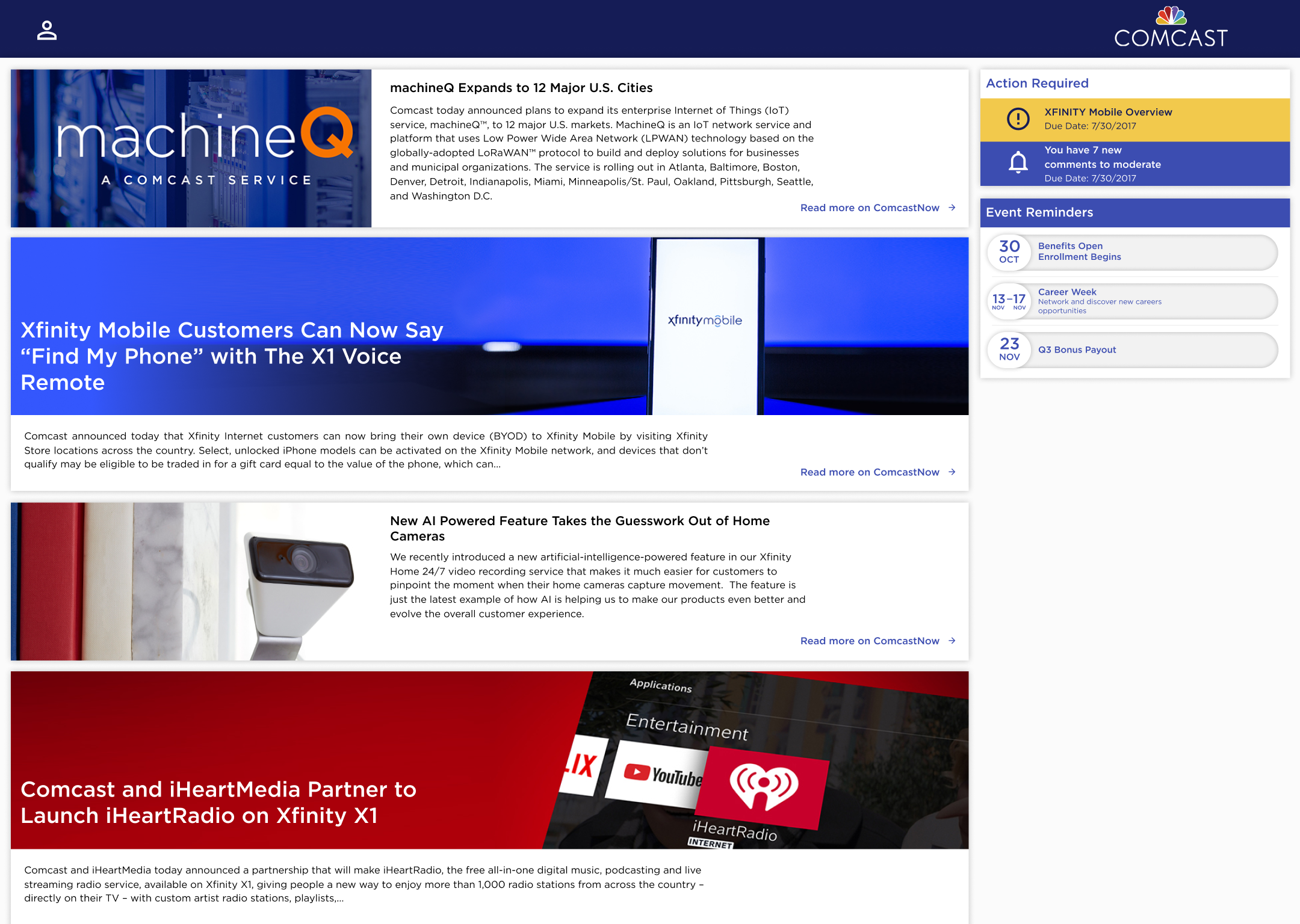
Designing one dashboard for six internal tools, from desktops to technicians’ phones
6+ Platforms unified- Scaled across Corporate, Technicians, Retail Audiences
- Influenced future internal tool development Outcome
Comcast's HR Communications team needed to consolidate years of fragmented internal platforms into a single source. I designed a concept dashboard to help stakeholders understand potential directions for the future of employee communications.
 Crowds
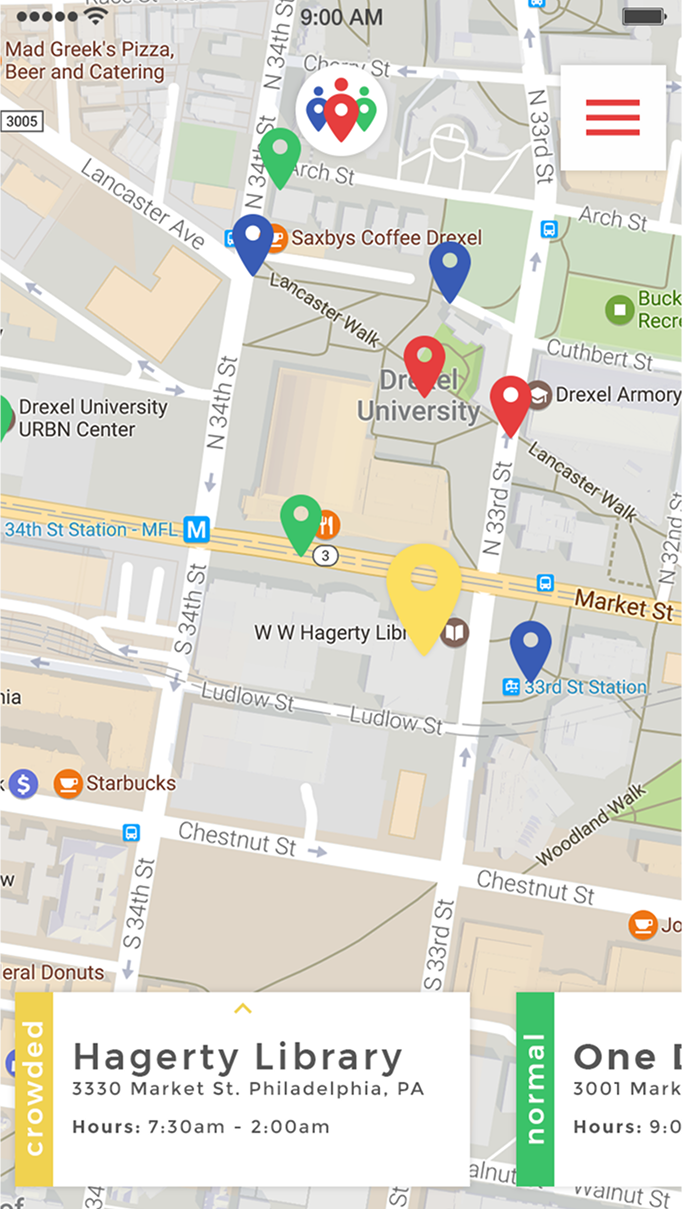
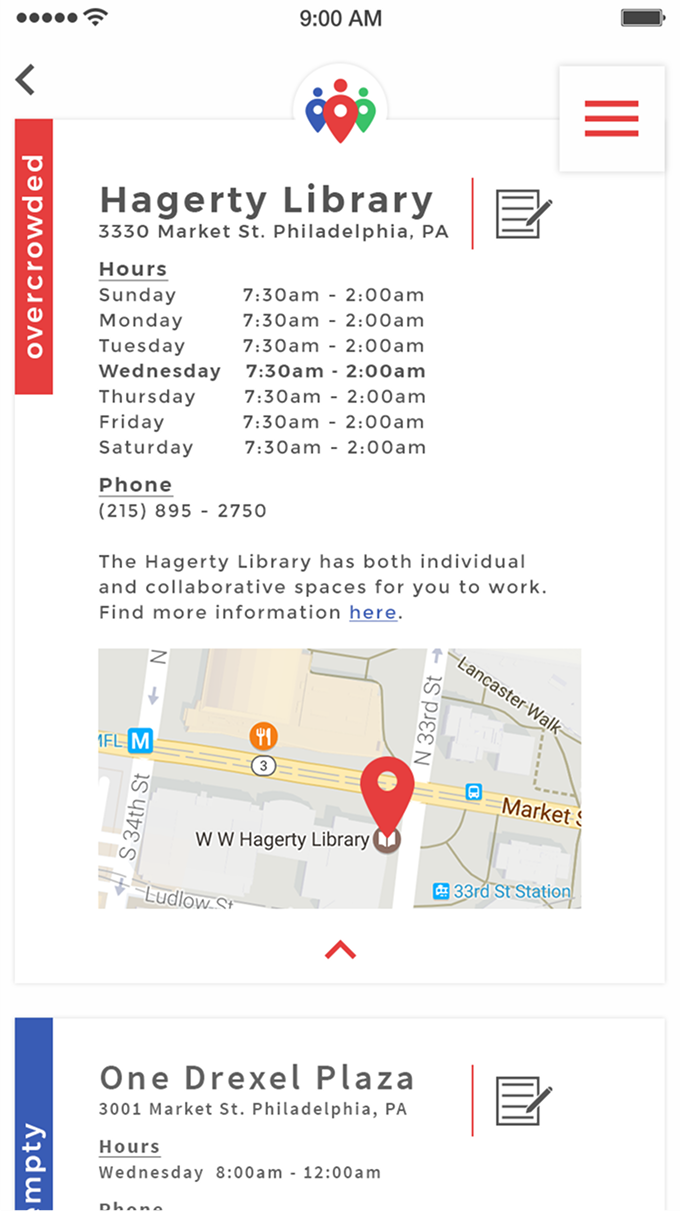
Designing a map app that made crowd levels useful to students without scaring off businesses
40% Increase in students trying new locations- 90% Rated "very easy to use"
- 30 students, 10 businesses Research participants
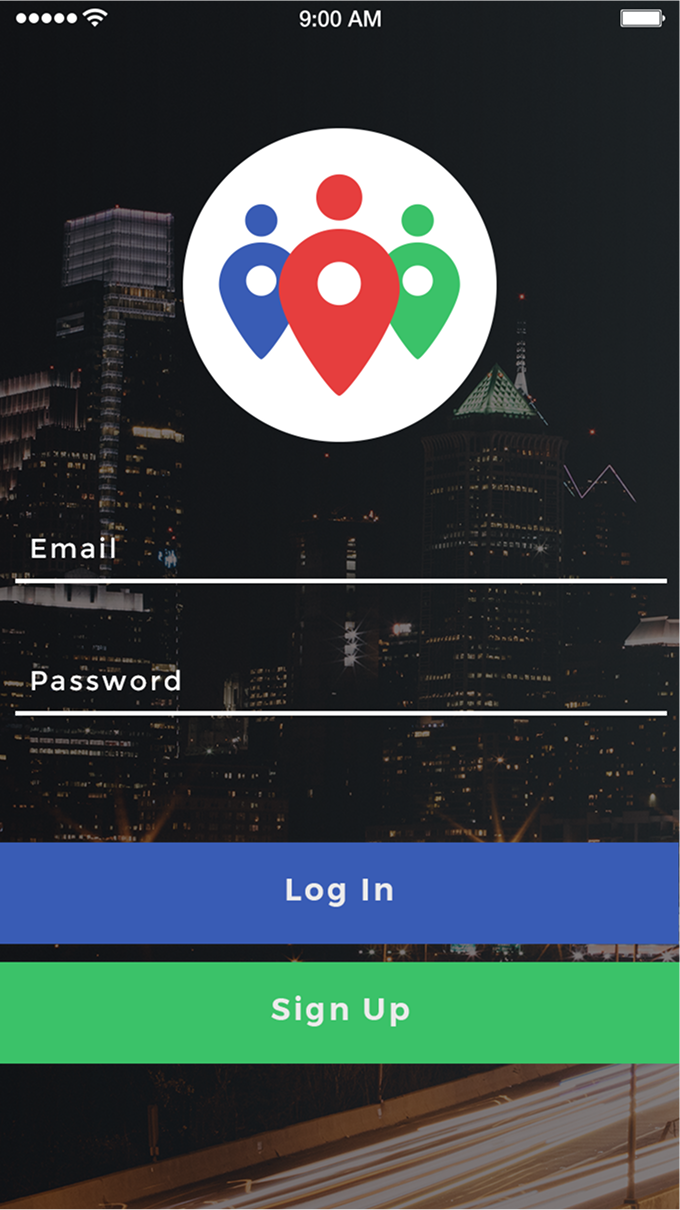
Crowds was a Philadelphia startup that makes navigating study spots, bars, and restaurants easier. As founding designer, I brought Crowds to life through mobile app design and web promotion.
Jordan Gulbronson
Based in Orlando, lifelong musician, soccer fan, HCI history nerd and constant tinkerer.
Jordan Gulbronson1 / 24
Click around to explore.Tap a node or use the arrows to explore.